Along the Air Line... 2008 - Spring, Part 3 The Air Line Trail in Eastern Connecticut - Stan Malcolm Photos |
mHome Page Stan's FlickR Albums |
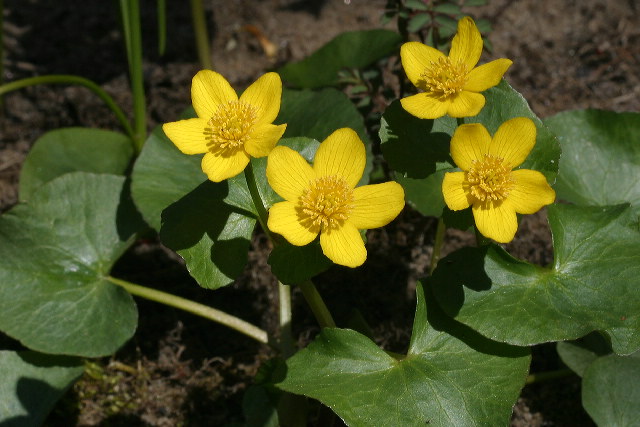
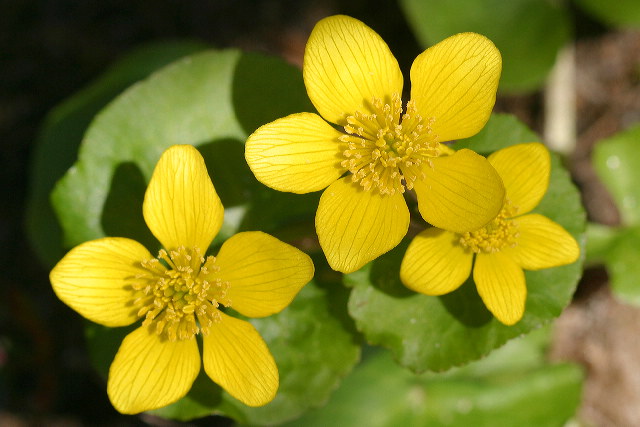
April 19th. Afternoon. Marsh Marigold (Caltha palustris), also called Cowslip. |
|
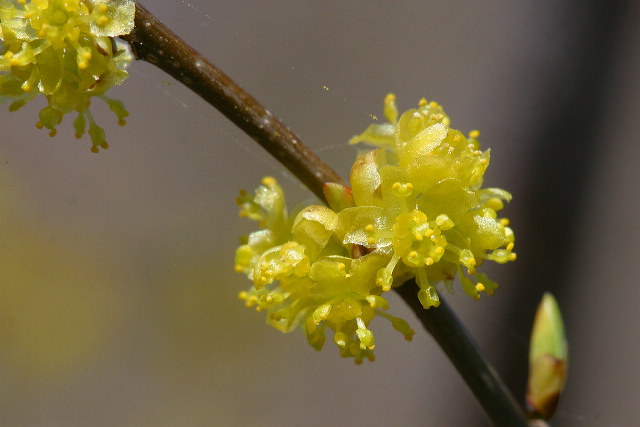
The Spicebush (Lindera benzoin) flower clusters are now fully open. |
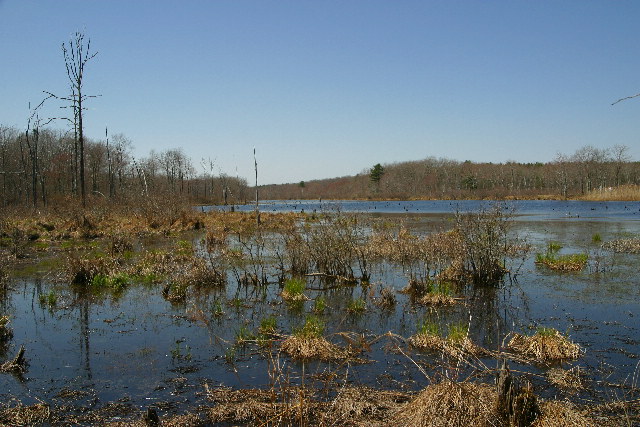
Looking back towards the trail from the far side of Raymond Brook Marsh. |
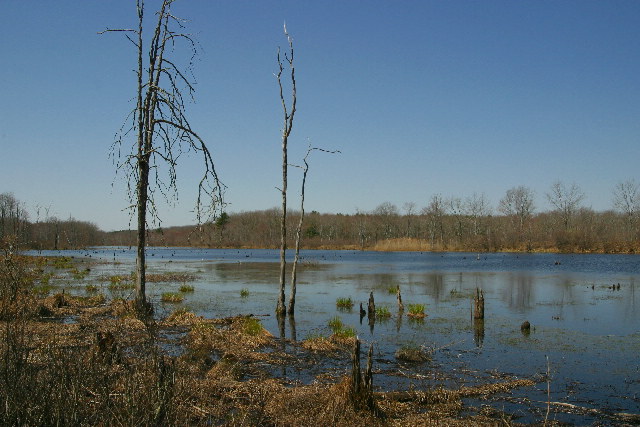
|
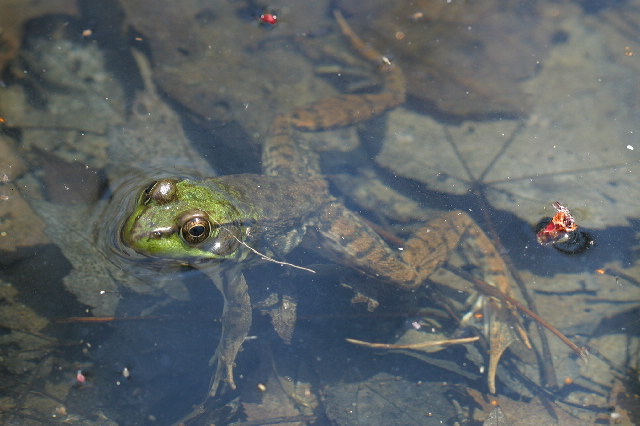
Green Frogs (Rana clamitans) are out in ditches beside the trail. |

|
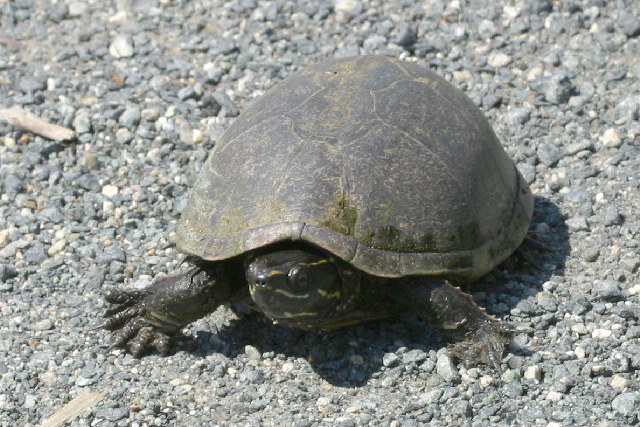
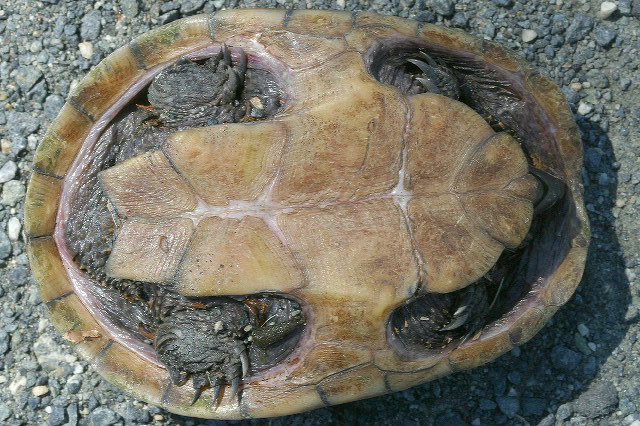
A Stinkpot (Sternothaerus odoratus) crossing the trail. |
From below you can see how "fitted" the legs and tail are to the shape of the plastron - maximizing both movement and protection. (The turtle's head is to the right.) |
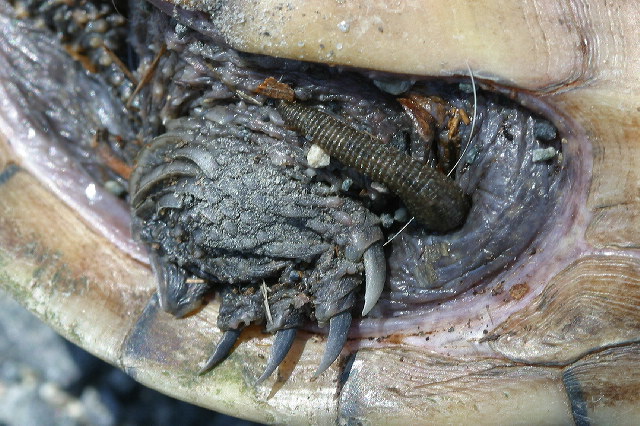
A leach was attached near the turtle's hind leg. |
April 20th. Eastern Tent Caterpillars (Malacosoma americanum) have just begun spinning their webs - usually on cherry, apple, or other members of the rose family. |
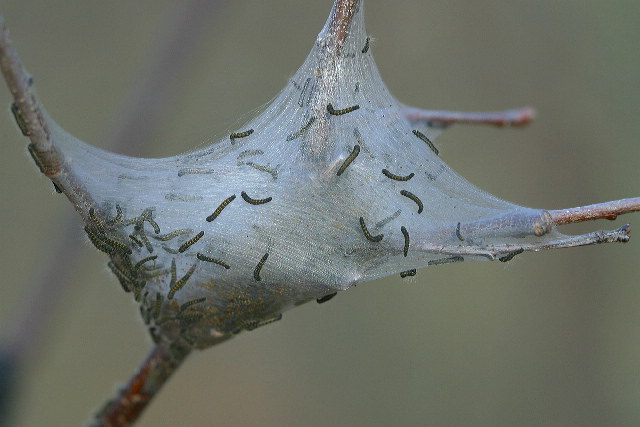
These caterpillars are less than 1/4" long but will soon grow larger and attract Baltimore Orioles. |
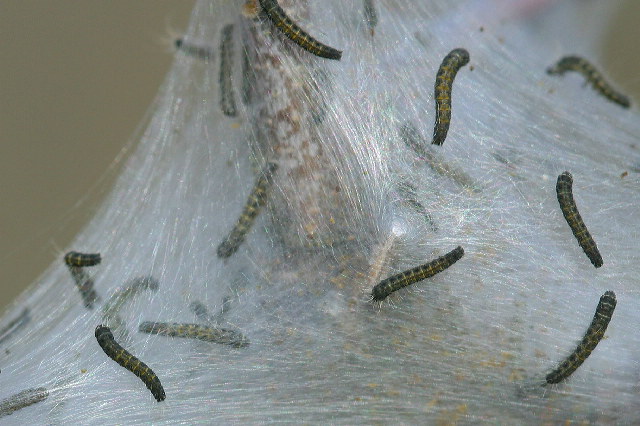
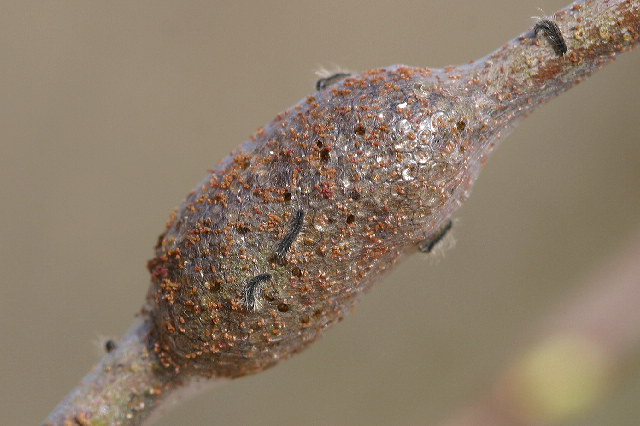
When you see webs in the crotches of trees at this time of year, check the nearby stems to find the egg masses deposited by adult moths last year. |
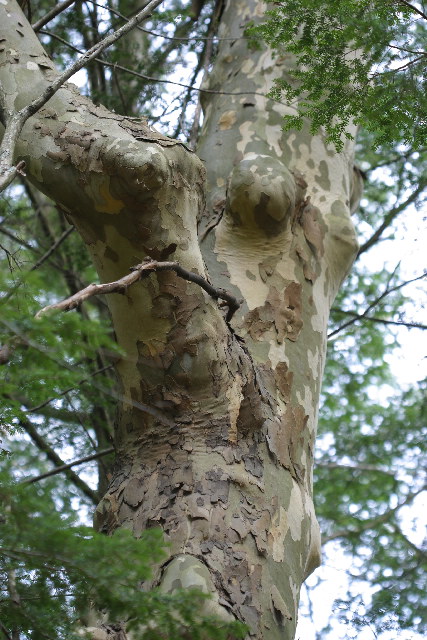
American Sycamore trees (Platynus occidentalis) have marvelous peeling bark. |
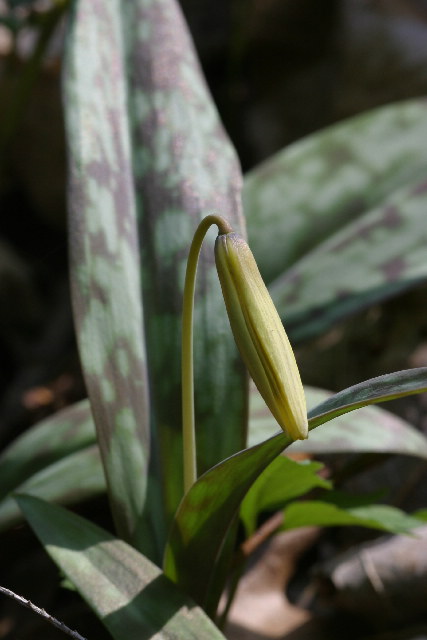
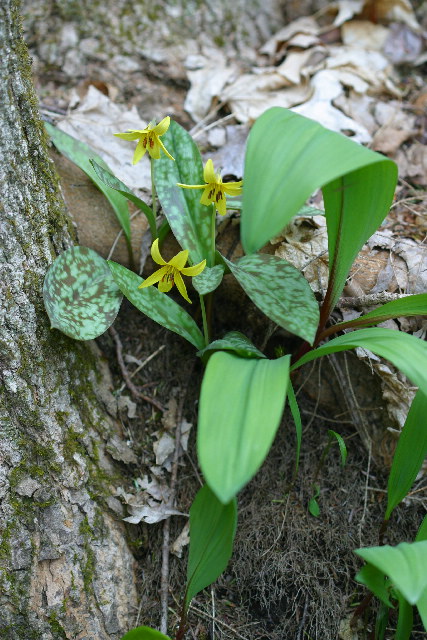
Trout Lilies (Erythronium americanum), also called Dogtooth Violets) are in bud. Note the mottled leaves characteristic of this species. |
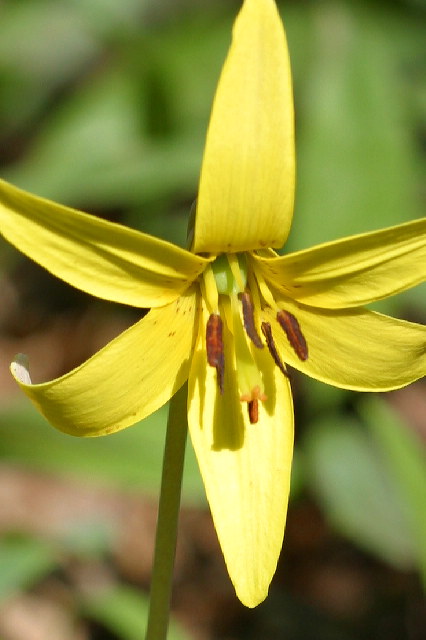
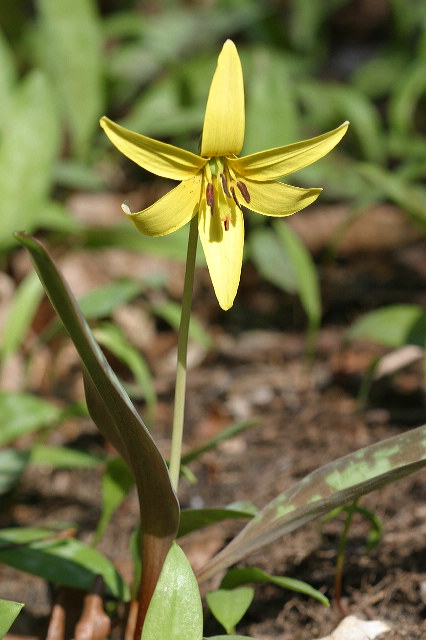
April 22nd. The Trout Lilies (Erythronium americanum) are now fully in bloom. |
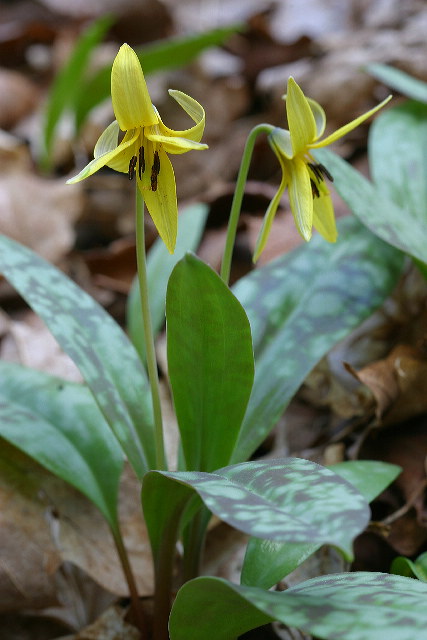
Growing with these Trout Lilies are Wild Leeks, also called Ramps (Allium tricoccum). |
|
|
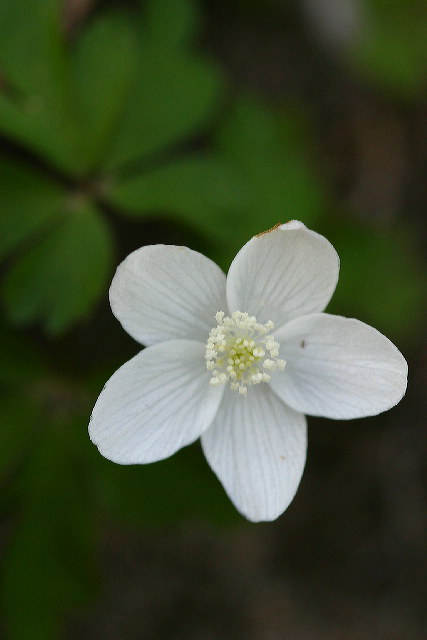
Wood Anenome (Anenome quinquefolia). |
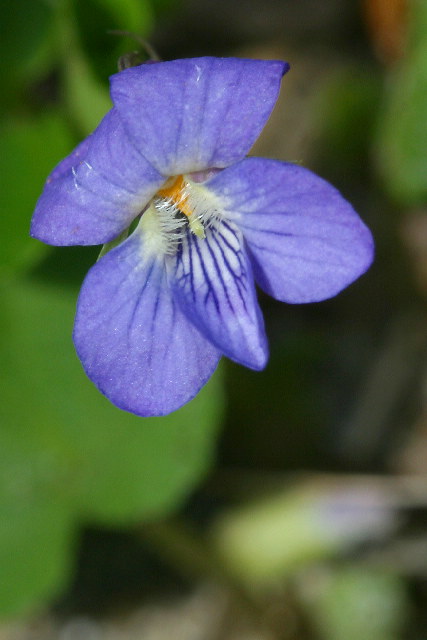
Violet (Viola sp.). |
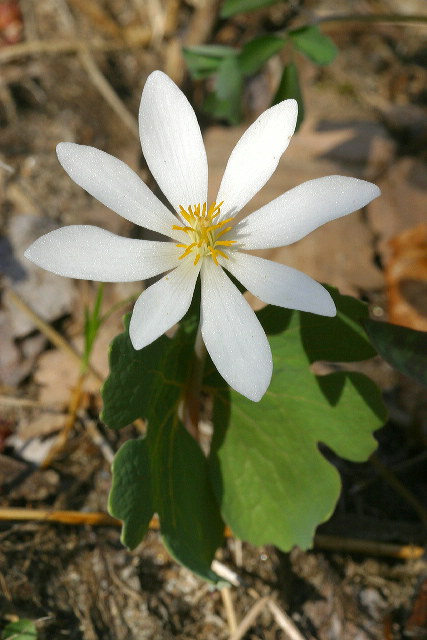
Bloodroot (Sanguinaria canadensis). |
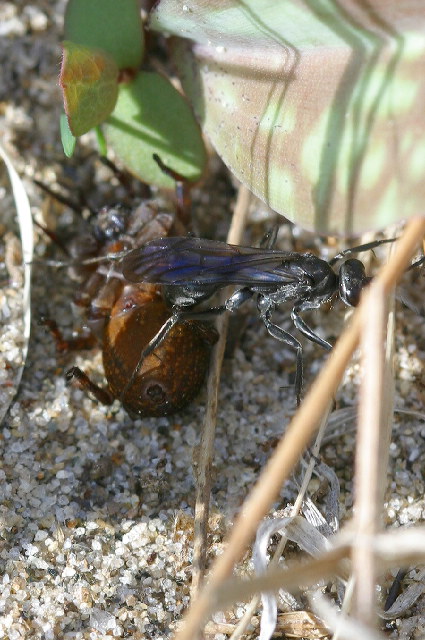
I noticed this wasp dragging a spider much larger than itself. |
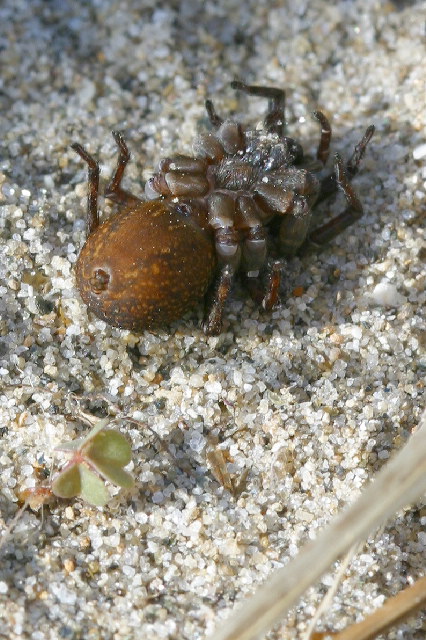
The paralysed spider was left for awhile as the wasp flew off. As I recall from Fabre's writings, it's typical for wasps to alternate between dragging their prey and working on a burrow some distance away. The spider will serve as food for a developing wasp larva. |
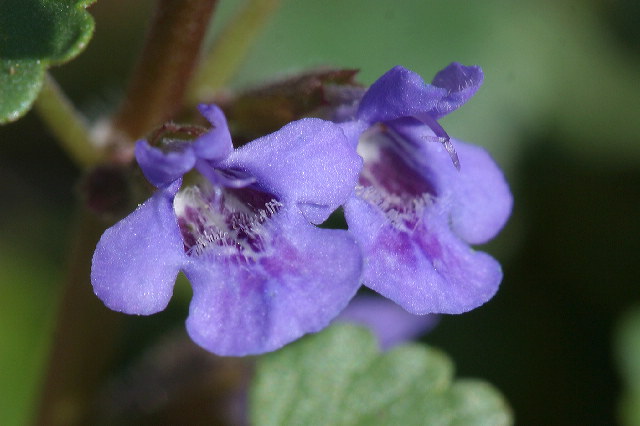
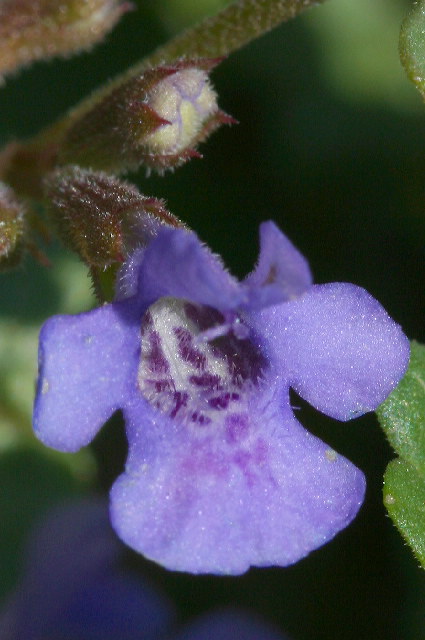
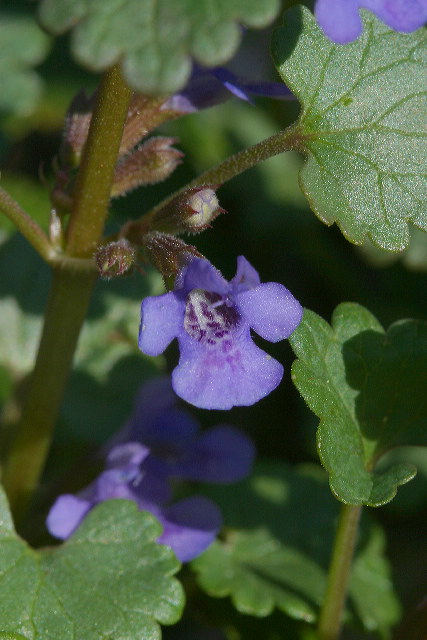
Gill-over-the-ground (Glechoma hederacea). |
|
|